Disrupt IT 2026 by CAPATEC: recap of Panama's innovation congress at Ciudad del Saber
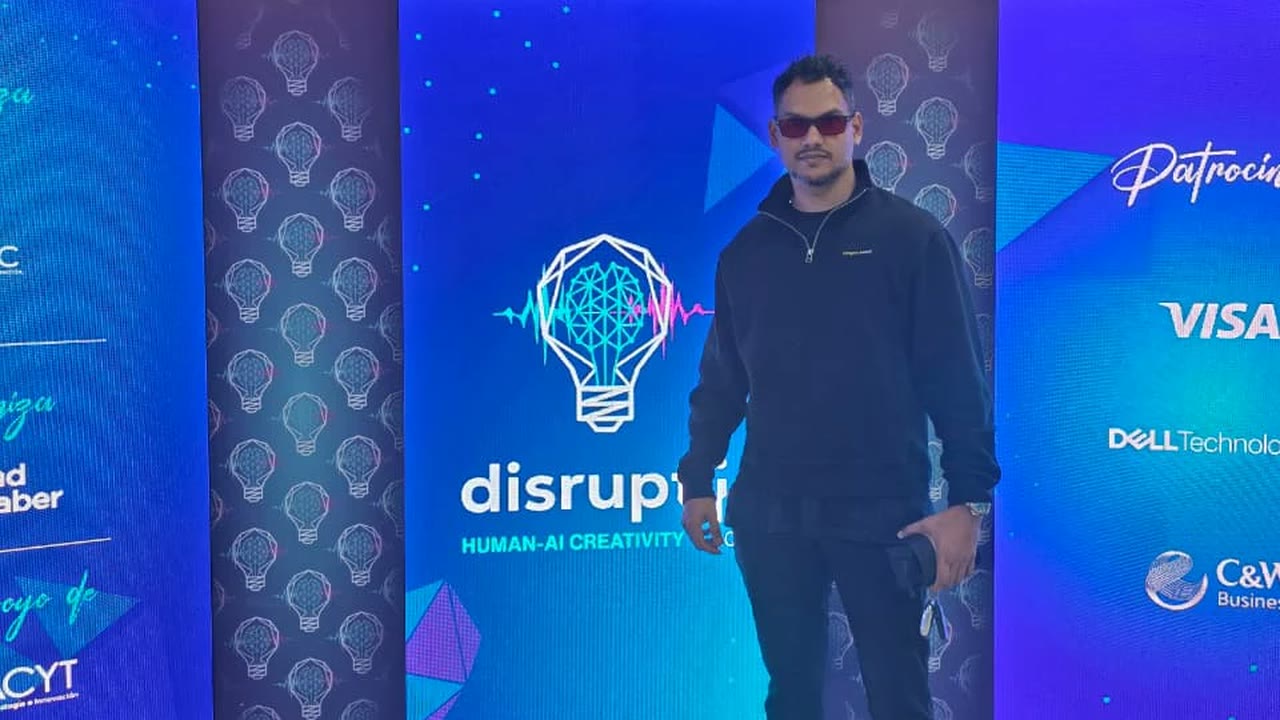
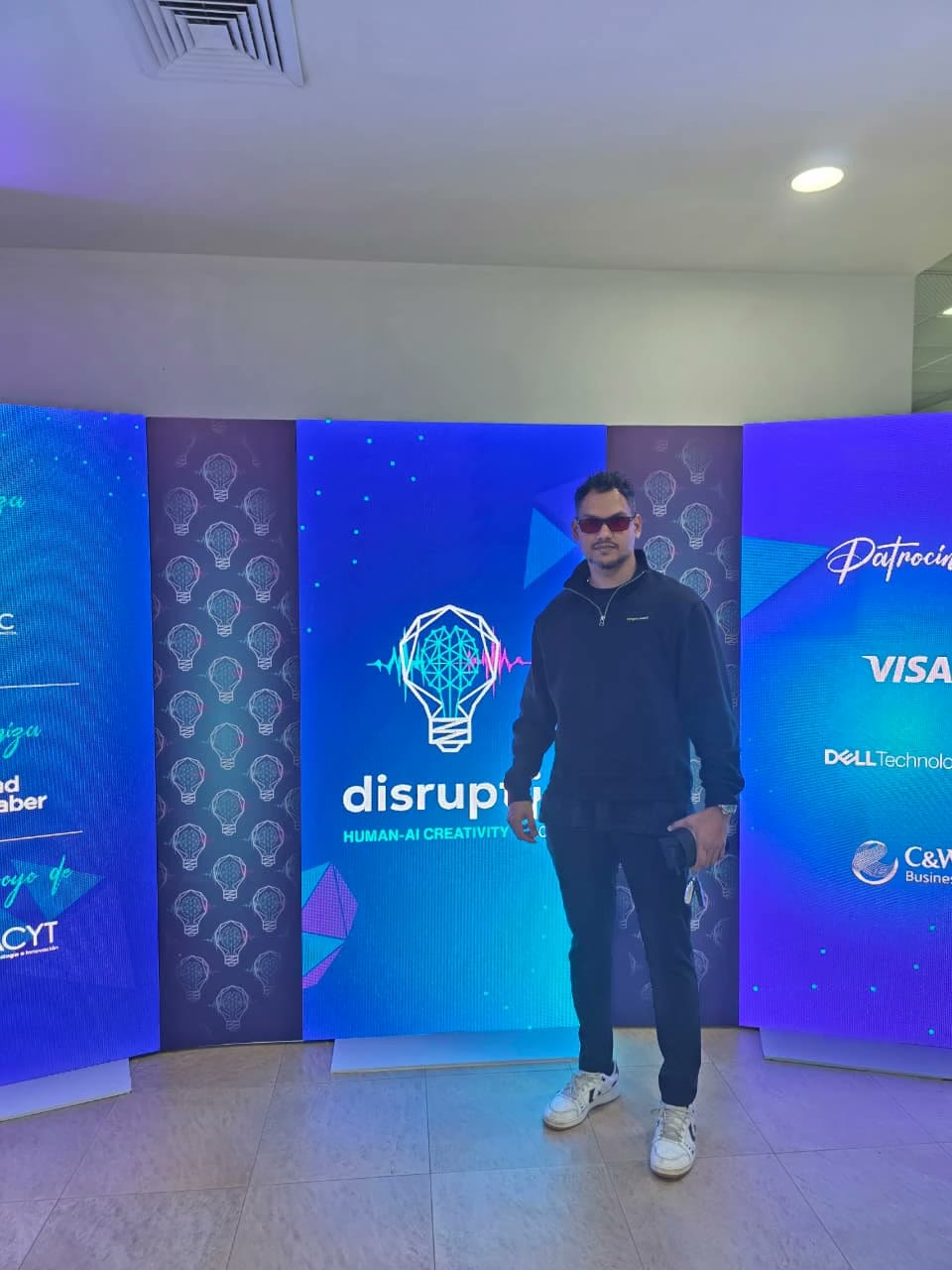
On Wednesday 23 September 2026 I spent the afternoon at the Ciudad del Saber Convention Center for Disrupt IT 2026, the annual congress of CAPATEC. This time I was not speaking or organizing: I went to listen, take notes and do networking. The theme of the year was Human-AI Creativity, and the agenda was four back-to-back talks on how artificial intelligence is changing the way a company operates.
What Disrupt IT is and why I went
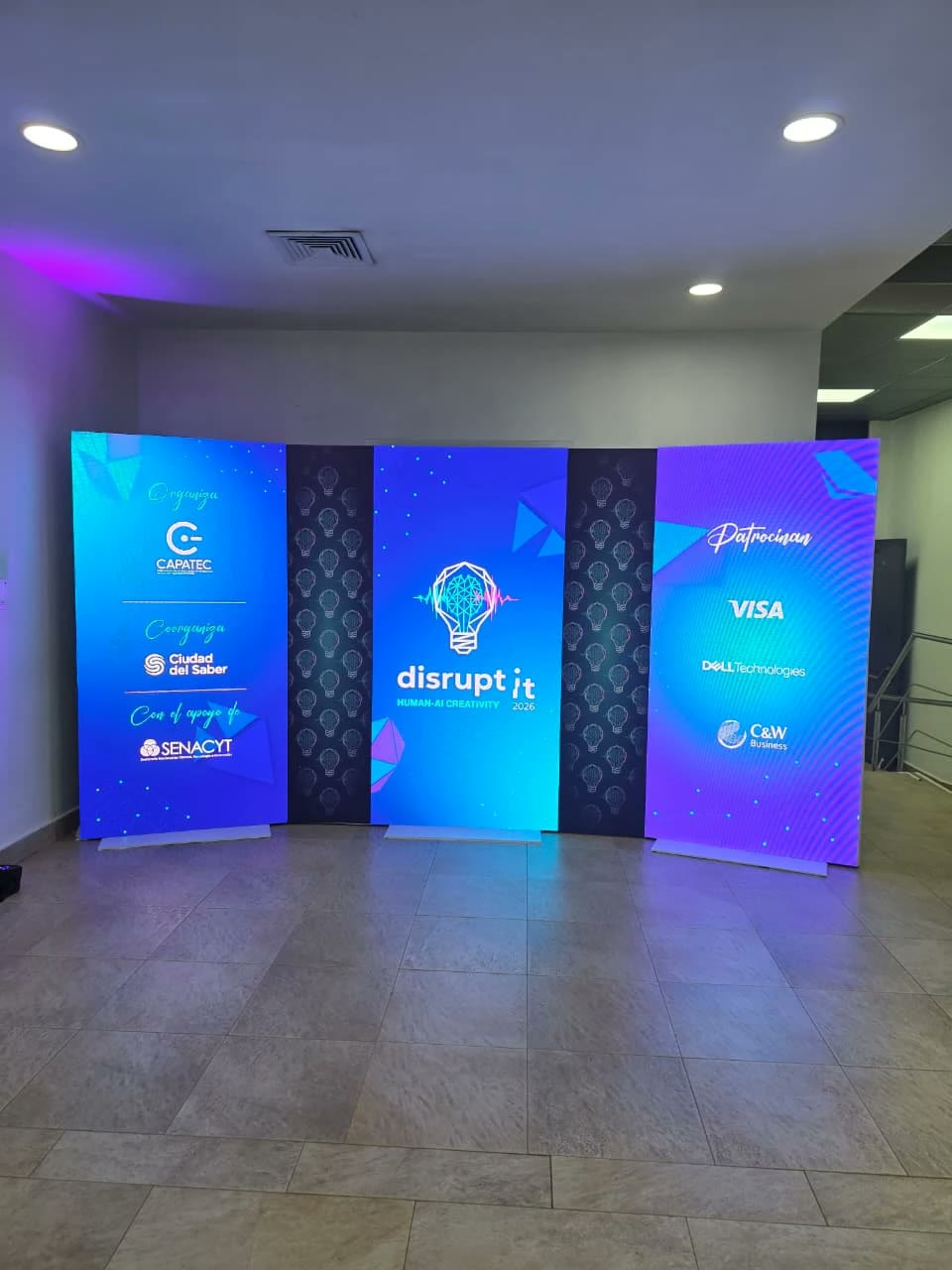
CAPATEC is Panama's chamber of information technology, innovation and telecommunications, and Disrupt IT is its event of the year. They describe it as the only event in the country that brings together every actor of the innovation, technology and business ecosystem; by their own figures, over 300 participants, more than 10 national and international speakers and 40% attendance from large companies and multinationals. This edition was organized by CAPATEC with Ciudad del Saber as co-organizer, supported by SENACYT and sponsored by Visa, Dell Technologies and C&W Business.
I went for two reasons. First: when you spend your days applying AI in small and medium businesses, it pays to hear how the big firms tell the story, because the vocabulary Deloitte or Google Cloud use today is the one your clients will be using a year from now. Second: Panama's tech ecosystem is small, and the hallway conversations are worth as much as what happens on stage.
The agenda: four talks and one common thread
Read in a row, the four titles tell a single story: AI stops being a tool you consult and becomes a system that acts. The first two talks looked at it from operations (the company that runs itself, the agents that connect systems) and the last two from the people side: who leads the global challenges and how to go from spectator to ringmaster. That, at least, was the thread I saw from my seat.
The autonomous enterprise and agentic AI: what it means for a business in Panama
Miguel Caldentey opened with "The Autonomous Enterprise" and Yael Camacho followed with agentic AI, meaning agents that do not just answer but execute tasks by connecting the company's systems. What interests me as an advisor is not the concept but the practical translation, and I sum that up in three sentences I repeat to every client:
- An agent is only as good as the systems it connects. If your CRM, your invoicing and your WhatsApp do not talk to each other, no agent will orchestrate anything. Tidy the house first, then automate.
- Autonomy is earned in stages. First you automate repeatable tasks with clear rules, then you let the agent decide within limits, and only at the end do you let go of its hand on complete processes.
- Accountability cannot be automated. If an agent makes a mistake with a customer, you are the one who answers for it. I said it on the Cripto Latin Fest 2026 panel about agents that pay on their own, and at Disrupt IT I wrote it down again.
I live this every day. In xyCloser, the CRM we built, agents qualify leads, draft replies and trigger follow-ups, but every message that goes out has a human owner and an approval button. That is the realistic version of the autonomous enterprise for a business of ten or twenty people: it is not that nobody works, it is that nobody repeats work.
Sin Filtros and AI Circus: the human side
The panel "Sin Filtros: the role of women in global challenges" brought together spokeswomen from C&W Business, Visa and Dell Technologies, the event's three sponsors, and the closing talk came from Álvaro Meléndez, CEO of CRANT, with "AI Circus: From Spectator to Ringmaster". That title sums up what I tell every business owner who asks me where to start: the question is no longer whether AI will reach your industry, but whether you will watch it from the stands or run the ring. The congress theme, Human-AI Creativity, points the same way: creativity is still the human part, and AI amplifies whoever already has judgment.
The networking: who I was with
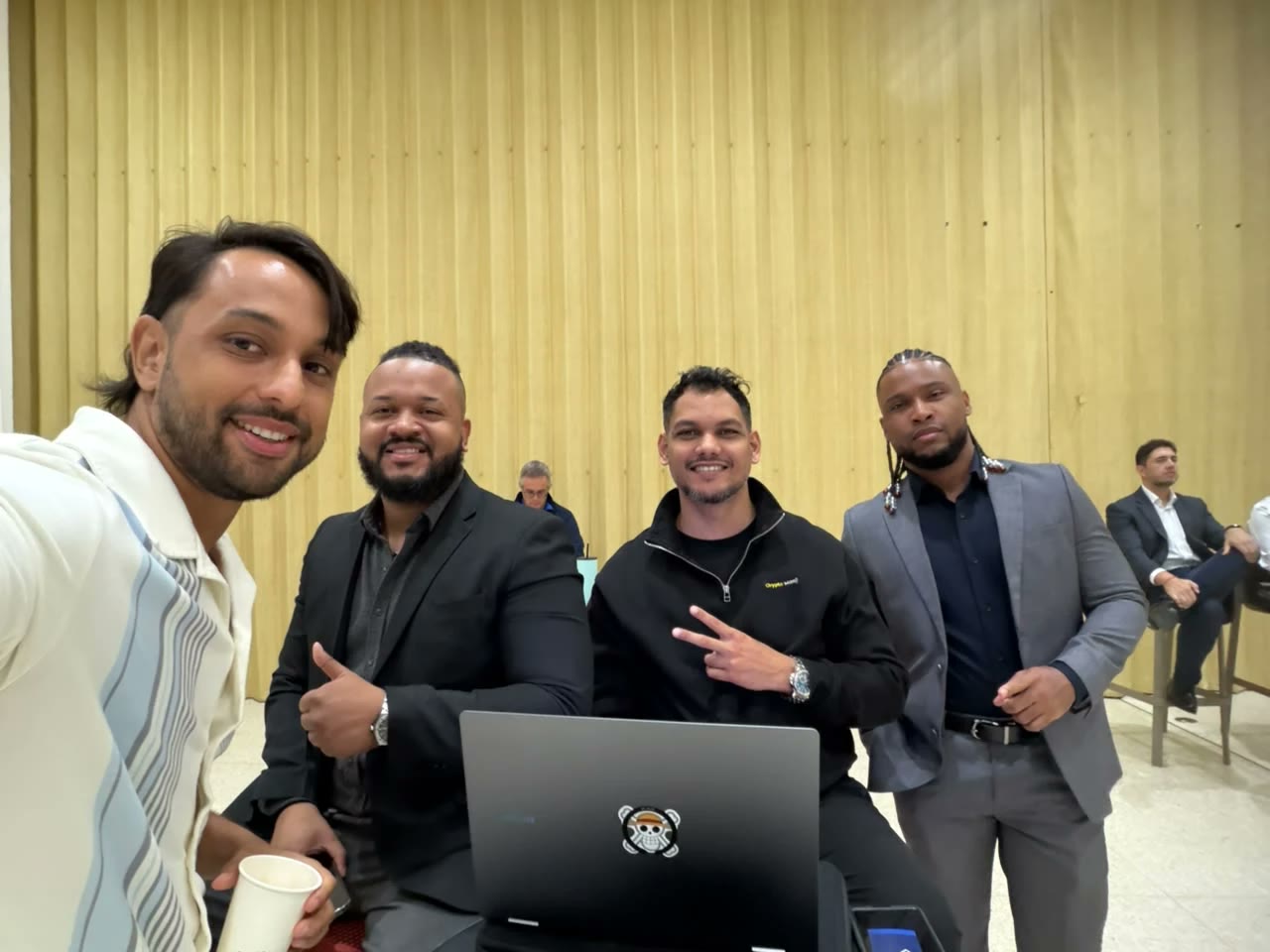
I was there with Reyniel Rodríguez, my business partner, and with Gibran and Guillermo. Between talks we spoke about what each of us is building and about something that comes up at every event of this kind: the distance between the demo you see on stage and the implementation that survives a Monday with real customers. That distance is exactly the job, and it is where you find out whether AI saves you money or just gives you a nice story to tell.
What I am taking away
- The vocabulary has already changed. "Autonomous enterprise" and "agentic AI" are no longer conference words; within a year they will be in tenders and boardroom meetings in Panama.
- Agents need clean processes. Before buying the tool, draw the process. Most AI failures I see are not technology failures; they are messy data and steps nobody had ever written down.
- Creativity is the human advantage. The congress theme was not decorative: whoever has the judgment to ask well and evaluate the answer gets ten times more out of the same tools.
- Panama has an ecosystem. A full room on a Wednesday afternoon, with large companies and entrepreneurs mixed together, is a good sign for anyone building here.
If you want to go from spectator to ringmaster with your own business, on Saturday 3 October I am running an in-person AI workshop at Ciudad del Saber: you leave with your website published, your flyers, your videos and your CRM running. If you would rather look at it with your own case in hand, write to me. The full set of photos from the event is in the Disrupt IT 2026 gallery. I also keep free resources with what I use myself, no paywall.
Sources
- CAPATEC, official Disrupt IT 2026 page (agenda, speakers and event figures)
- Deloitte, Miguel Caldentey's profile
- America Digital Congress, Yael Camacho's profile
- alvaromelendez.com, Álvaro Meléndez's site, CEO of CRANT

This is where I can help
Want to talk about your project?
Book an advisory call →Get every article in your inbox
AI and business analysis, no hype. Only when I publish something worth your time.