COPASO 2026: how 53 people built a business with AI, live on stage
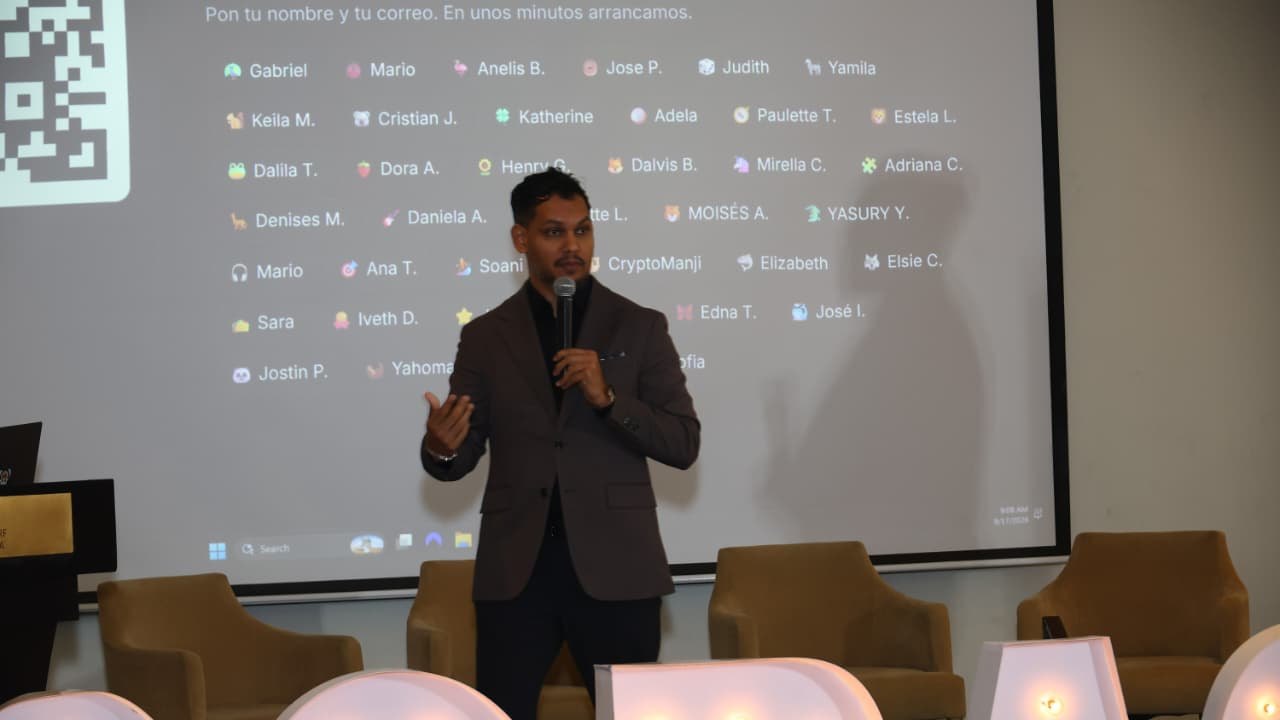
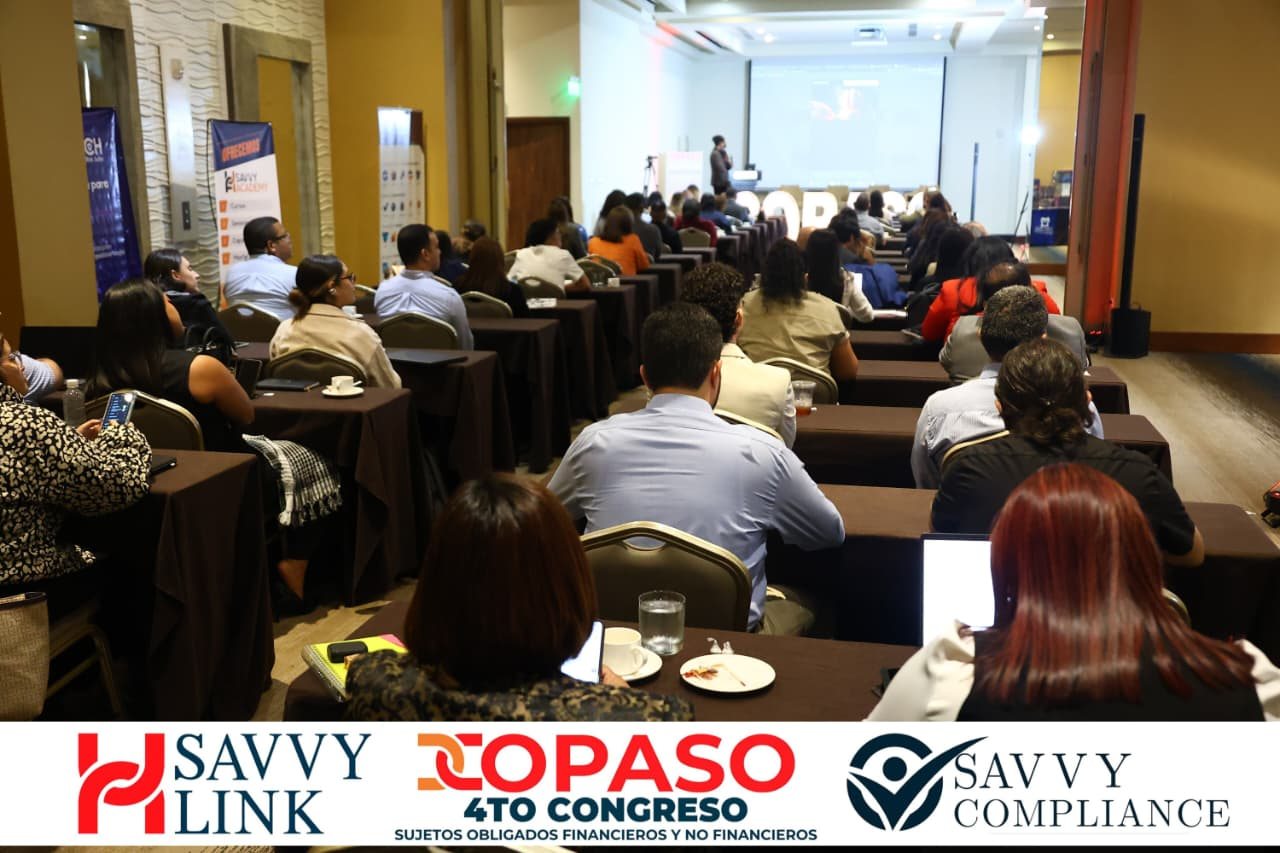
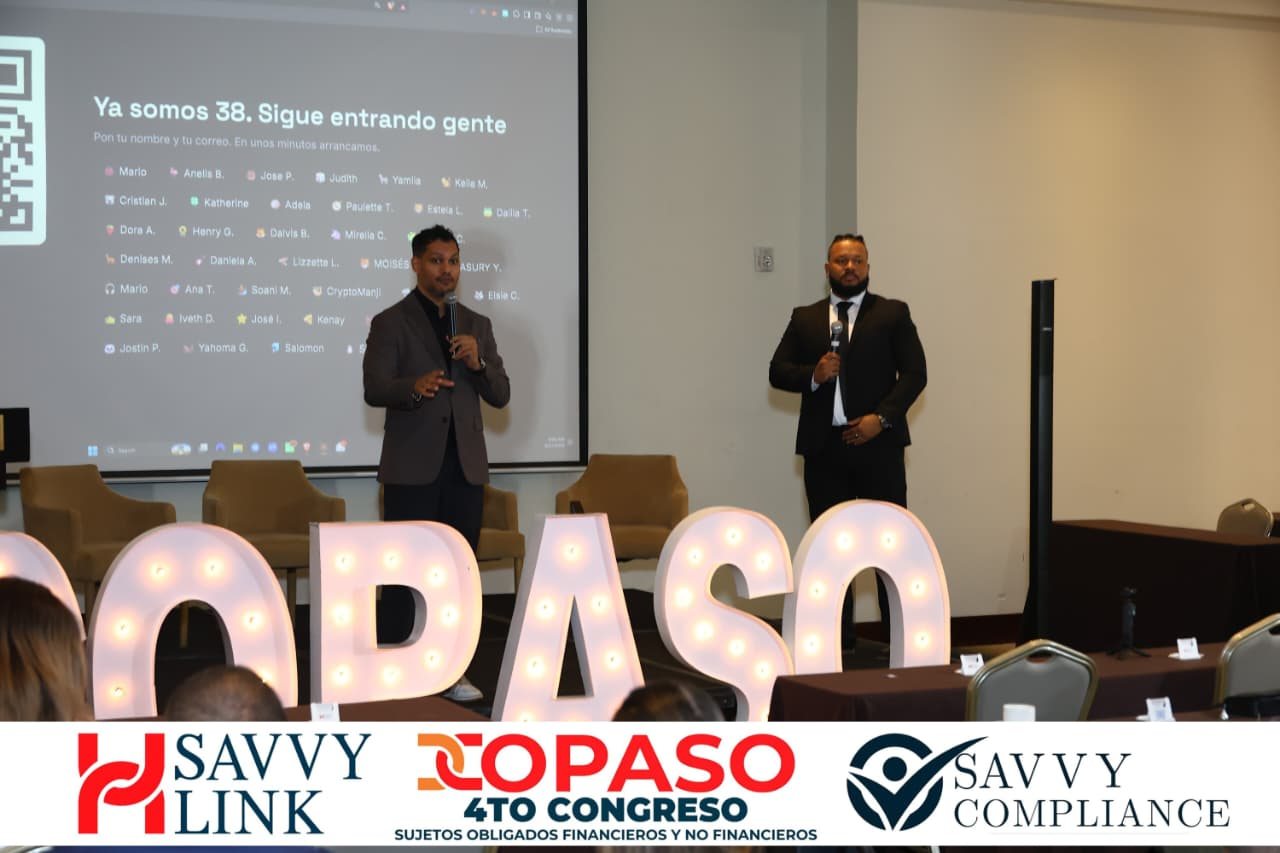
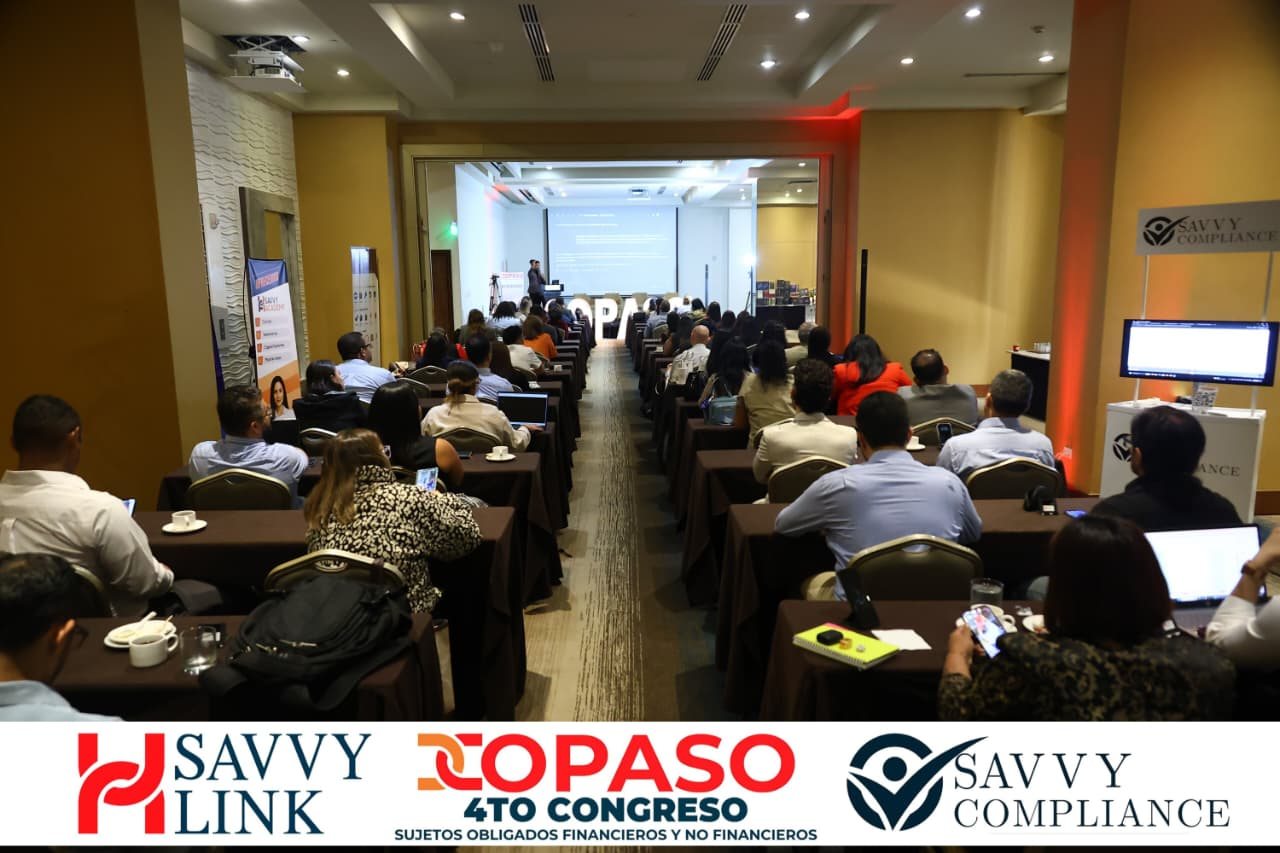
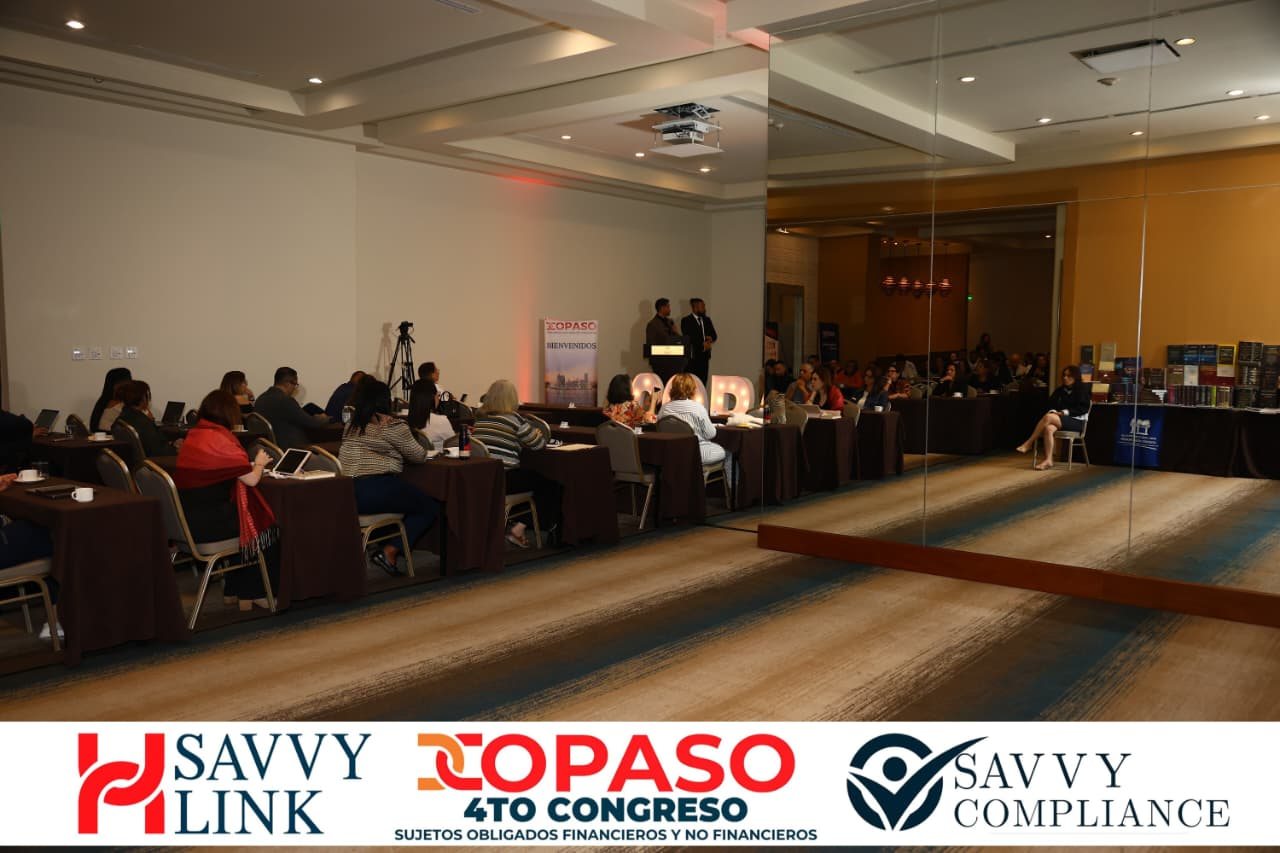
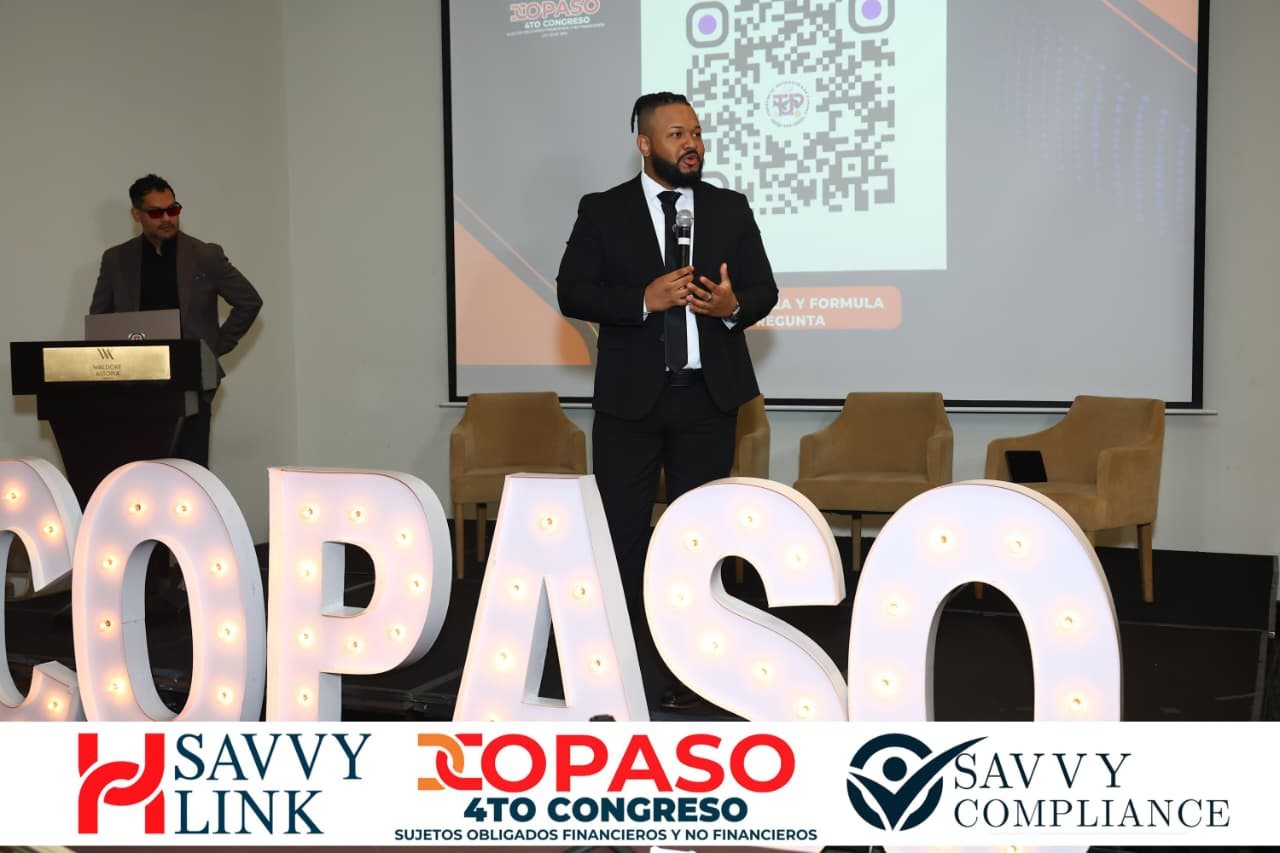
On September 17 I gave my session at the fourth edition of COPASO, the congress for financial and non-financial regulated entities held at the RIU Plaza Panamá. It was my second time on that stage, and this time I brought no slides to explain what artificial intelligence can do for a business. I brought a QR code, and the room built a business with me, live.
What COPASO is and why I came back
COPASO gathers Panama's regulated entities for two days: banks, cooperatives, real estate firms, brokerage houses, lawyers, accountants and everyone whose job is to comply with the rules and prove it. It is an audience that distrusts promises, and rightly so. In 2025 I spoke there about blockchain, compliance and regulation. In 2026 they were asking for something else: how artificial intelligence is actually used in a real business, today, with no technical team.
An audience like that is not convinced by a presentation. It is convinced by watching.
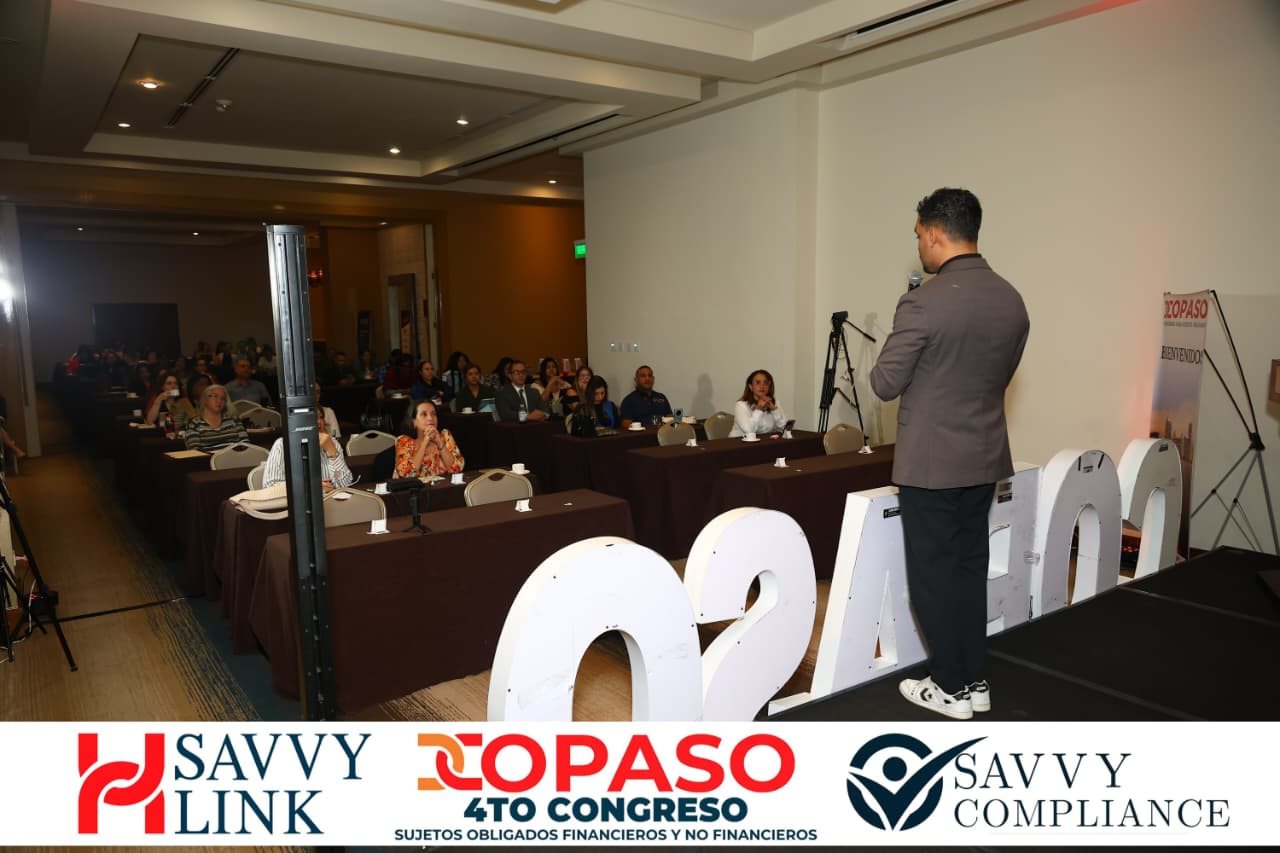
The exercise: 53 people building a business live
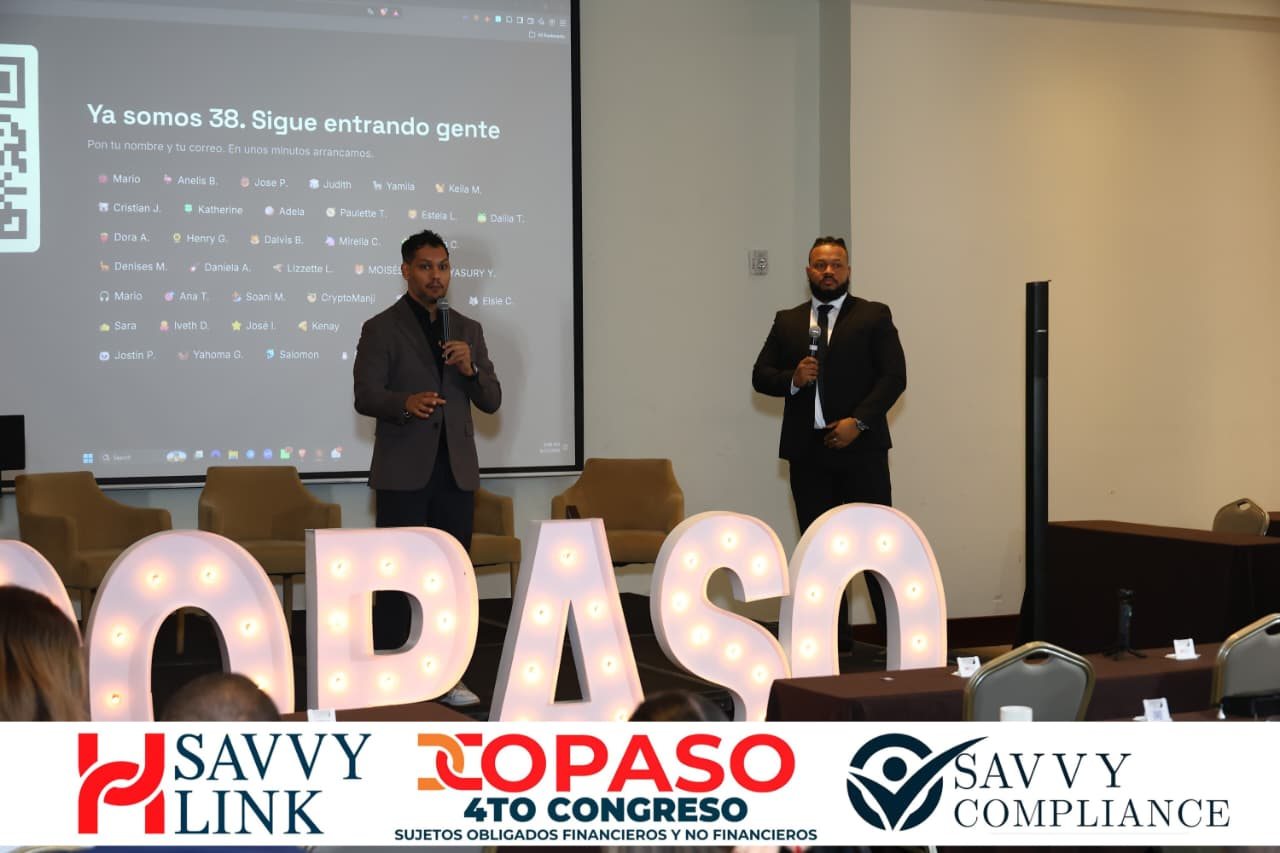
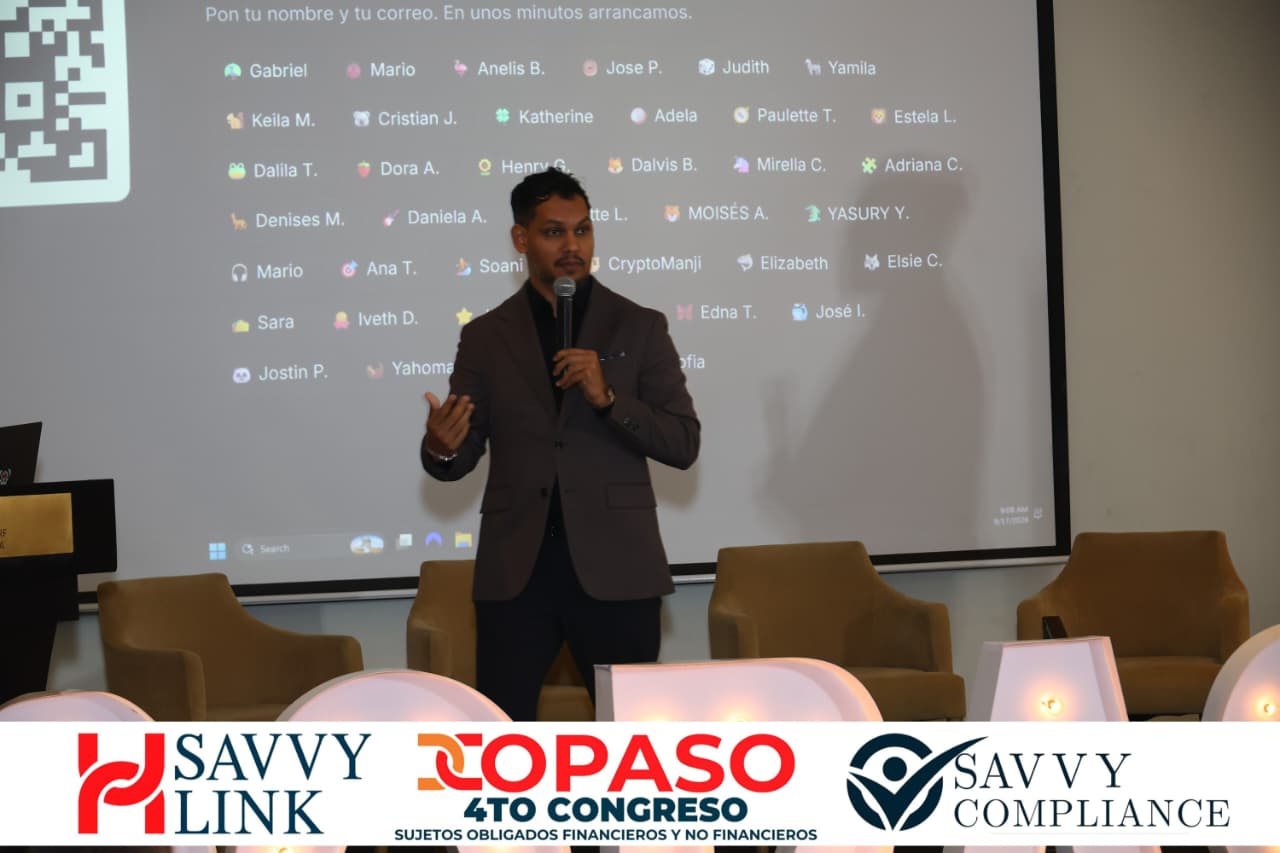
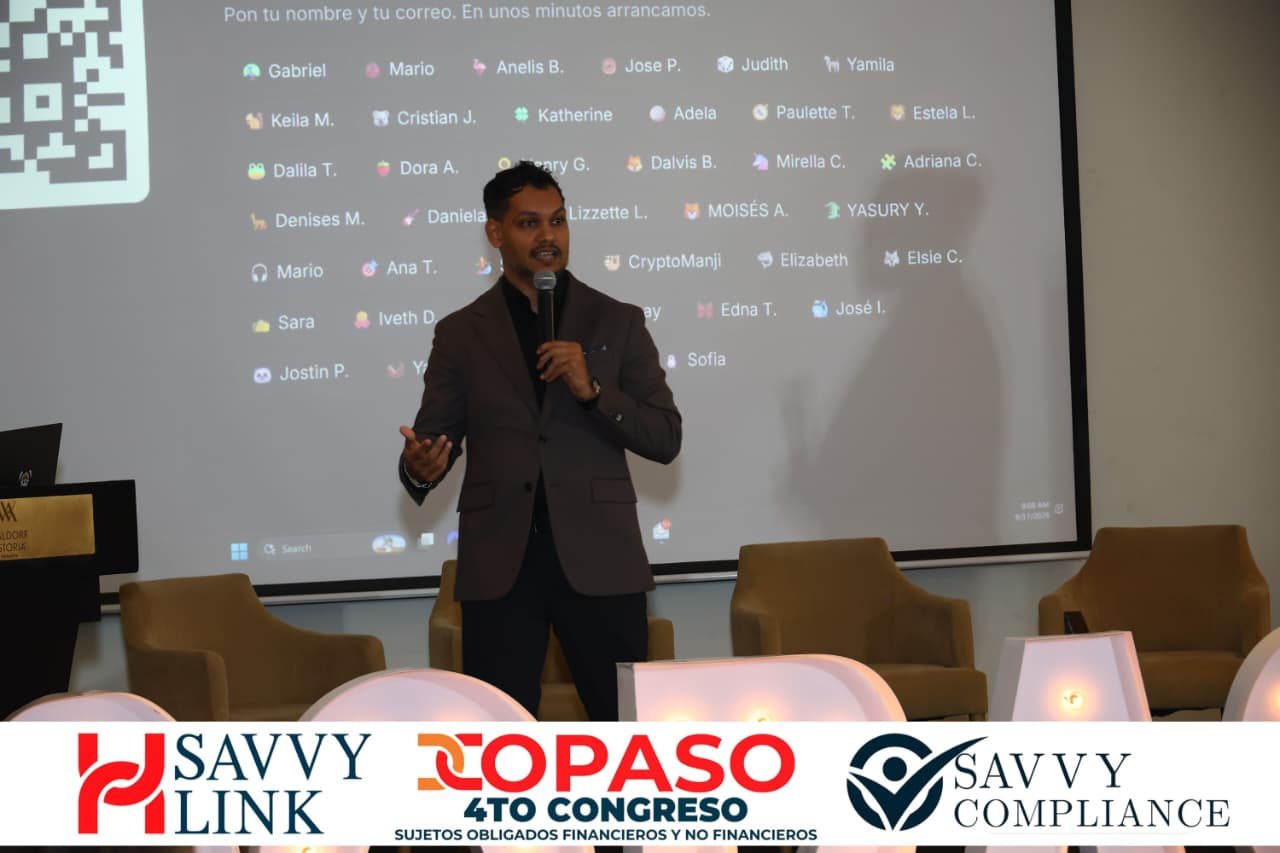
A QR code appeared on the screen. Each person joined from their phone with a name and an email, and the system gave them a unique icon that showed up instantly on a shared screen: a pool of participants growing in real time. Within a few minutes there were 53 people registered.
Then came five questions, one at a time, each with one minute on the clock: what business they want, what it is called, who it sells to, what style it should have, and what action the customer should take when landing on the website. Everyone answered at once from their phones while the screen showed how many were done, and who was missing. When each question closed, the system picked one answer at random. Five answers from five different people, and the room had its business.
The best part of picking at random is that nobody controls the outcome. The combination that came out was an archery school called "Postres doble J" (which roughly means "Double J Desserts"). Nobody would have invented that on purpose, and that is exactly why it worked: if AI can stand up a business with that name and that trade, it can handle yours.
AI marketing in front of everyone
From the five answers, the system produced two things: a complete prompt to build the website and a separate prompt for the brand identity. From there, the room watched the pieces an agency takes weeks to deliver come to life: a coherent palette and typography, seven images of the school with students practicing and an instructor named Emanuel helping the others, and a short video for the top of the site. All of it from xyCloser, the platform I use in my own companies, and all of it in minutes, not days.
What I wanted them to take home was not the magic. It was the method: a clear reference, a well-written prompt and a defined brand produce quality pieces. Without that, AI produces what everyone else gets: black backgrounds crammed with text that scream "made with AI".
The website, published before the talk was over
The site prompt became a real page: a home with the video, the school, the instructor, testimonials, a blog article on why to enroll in an archery school, and a brand tab with the full identity. It went live on a subdomain of my site while the session was still running, and everyone could open it from the same phone they had registered with.
That is the point that weighs most for a regulated entity used to long processes: from an idea said out loud to a working website, within the same hour. What changed is not the technology, which had existed for months. What changed is that the business owner can now operate it.
Q&A: what the room asked
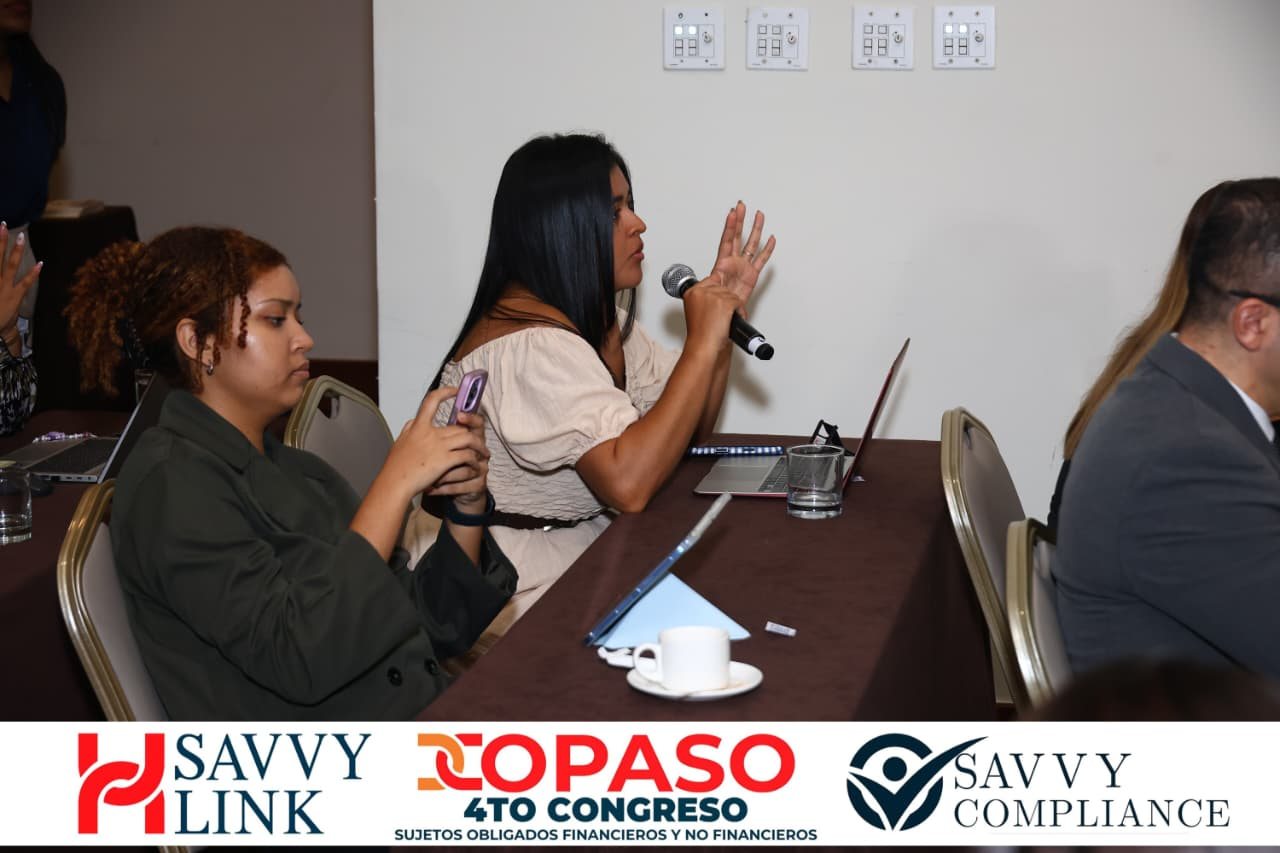
The session closed with a question-and-answer block as participative as everything before it. There was none of the usual silence after "any questions?": there were hands up, and the questions were those of people already thinking about their own business, not about theory. That is what happens when the audience builds instead of watching: by the time it is their turn to ask, they already know what they want to do with this.
What I take with me
- Participation beats the slide. Fifty-three people connected from the first minute are worth more than any AI adoption chart.
- The bottleneck is no longer the tool. It is deciding the name, the audience and the action. The five questions in the exercise are the ones almost no business has answered in writing.
- Quality comes from the reference and the method, not from the model. The same AI produces junk or agency-grade pieces depending on how it is asked.
- A regulated audience does not buy promises. It buys what it sees working, with its own phone in hand.
What you can do with this today
What the room saw in one hour is exactly what I teach people to do in a full day: the in-person AI workshop on Saturday, October 3 at Ciudad del Saber, where each person leaves with their website published, their flyers and videos made with AI, the site optimized for Google and their own CRM running. On their business, not on an example.
If you organize a congress, a convention or an internal training and want this exercise on your stage, with your audience building live, write to me: the session adapts to the room's industry. And if you would rather start on your own, the free resources hold the methods I use, with the complete step by step.
One question to close: if your audience answered those five questions about your business tomorrow, would you have the answers ready, or are you still thinking about them?
Gallery: more photos from the session
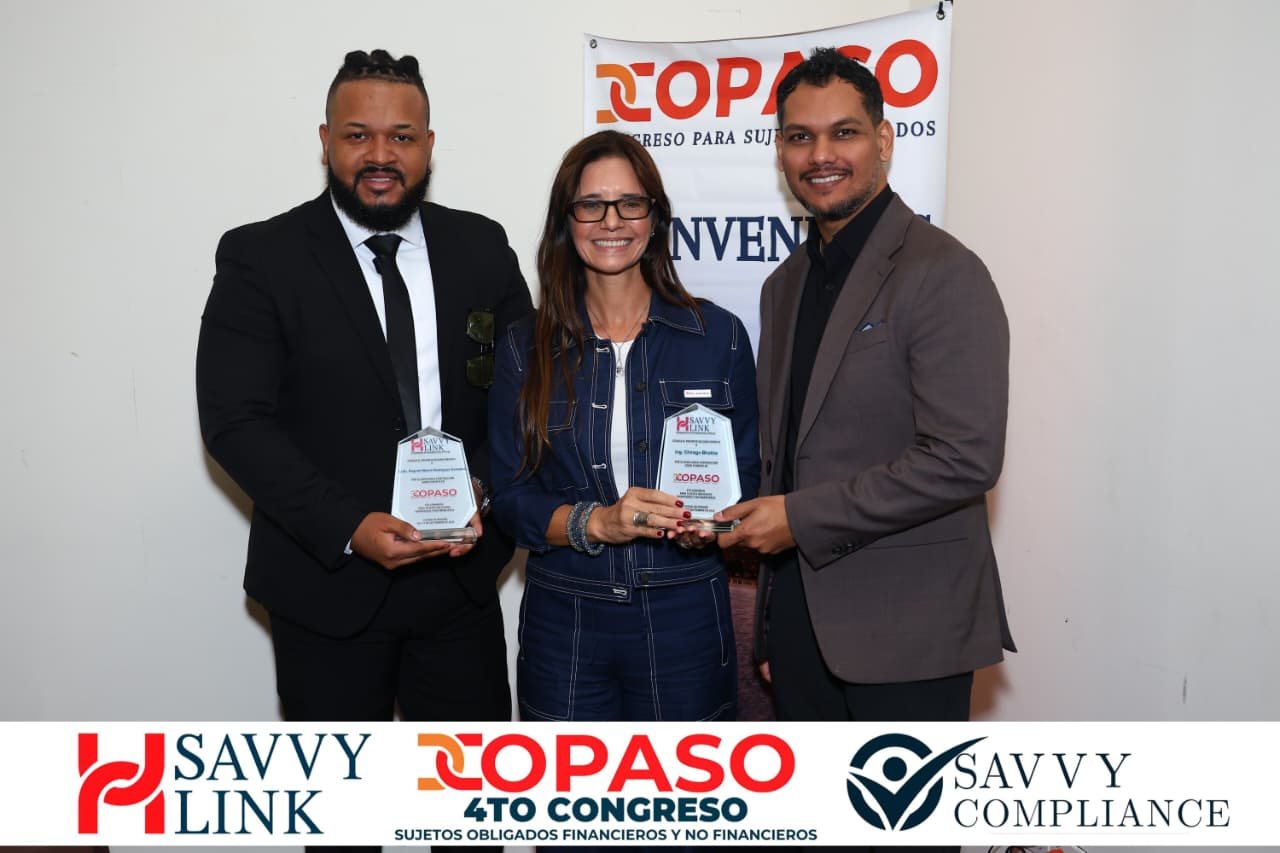
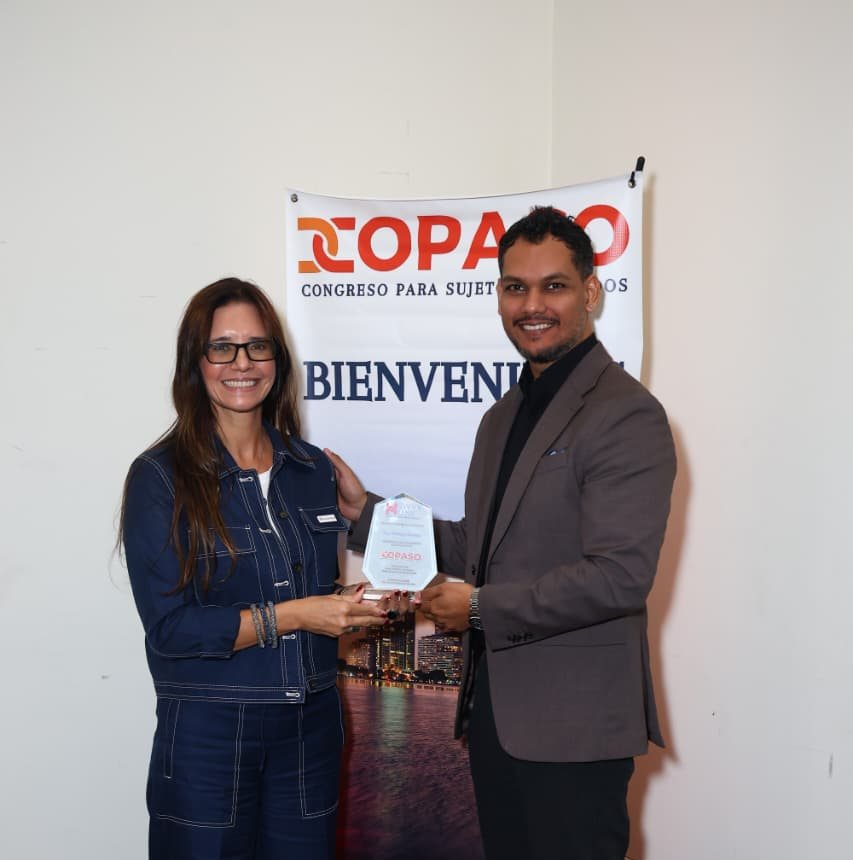
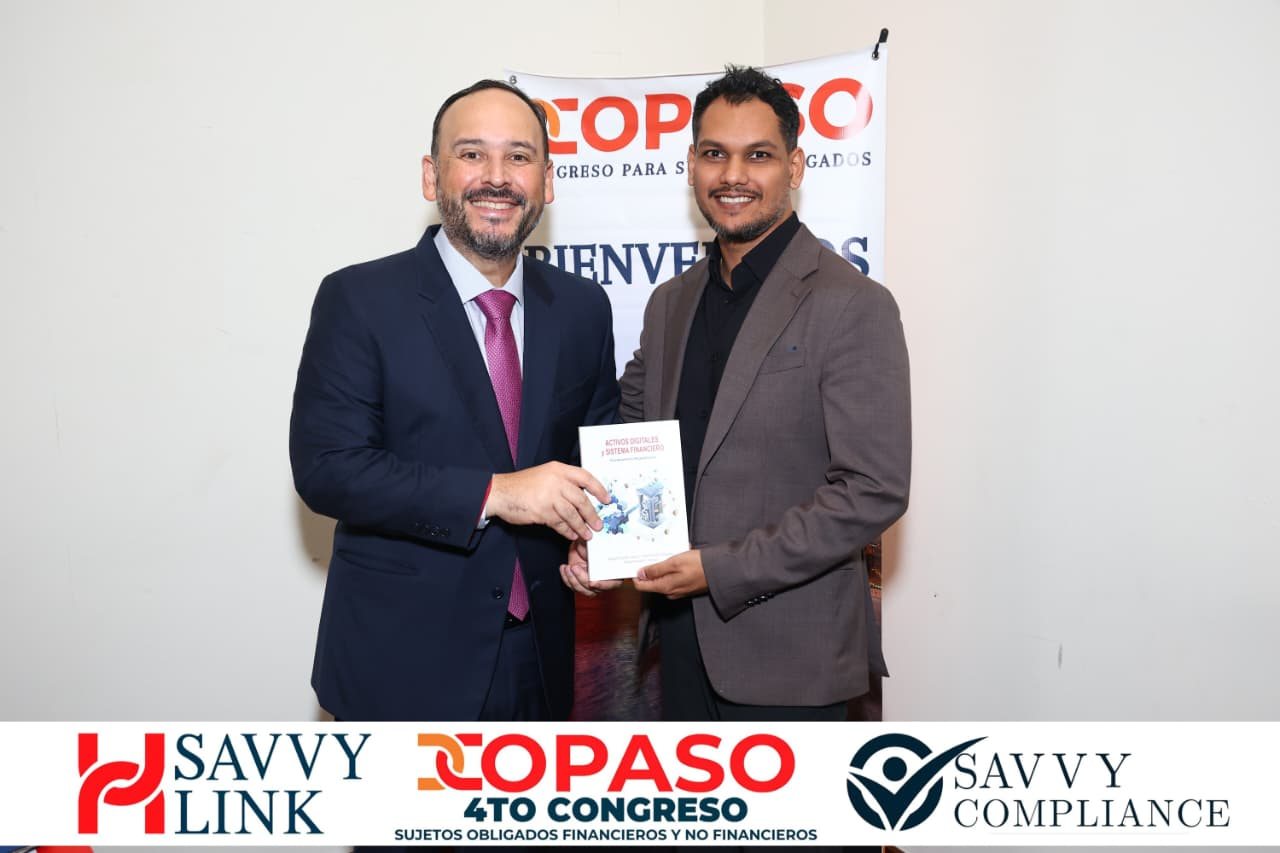
Tap any photo to see it full size. Photos: COPASO · Savvy Link.

This is where I can help
Want to talk about your project?
Book an advisory call →Get every article in your inbox
AI and business analysis, no hype. Only when I publish something worth your time.