5 Processes Every Business Should Automate With AI (And 3 You Should Not Touch)
Most companies I know do not fail at automation because the technology breaks. They fail because they automated the wrong thing.
They buy a tool, point it at whatever is most visible, and months later discover they spent money speeding up something that was never the bottleneck. Or worse: they automated something that needed human judgment, and now they have an unhappy client and a process that is harder to fix than it was before.
After years building this for companies of very different sizes, I have one rule that has saved me more trouble than any tool.
Automate what repeats and has a correct answer. Do not automate what needs judgment or puts a relationship at stake.
With that rule in hand, here are the five processes worth automating in almost any company, and the three you should leave alone.
1. Sorting and routing everything that comes in
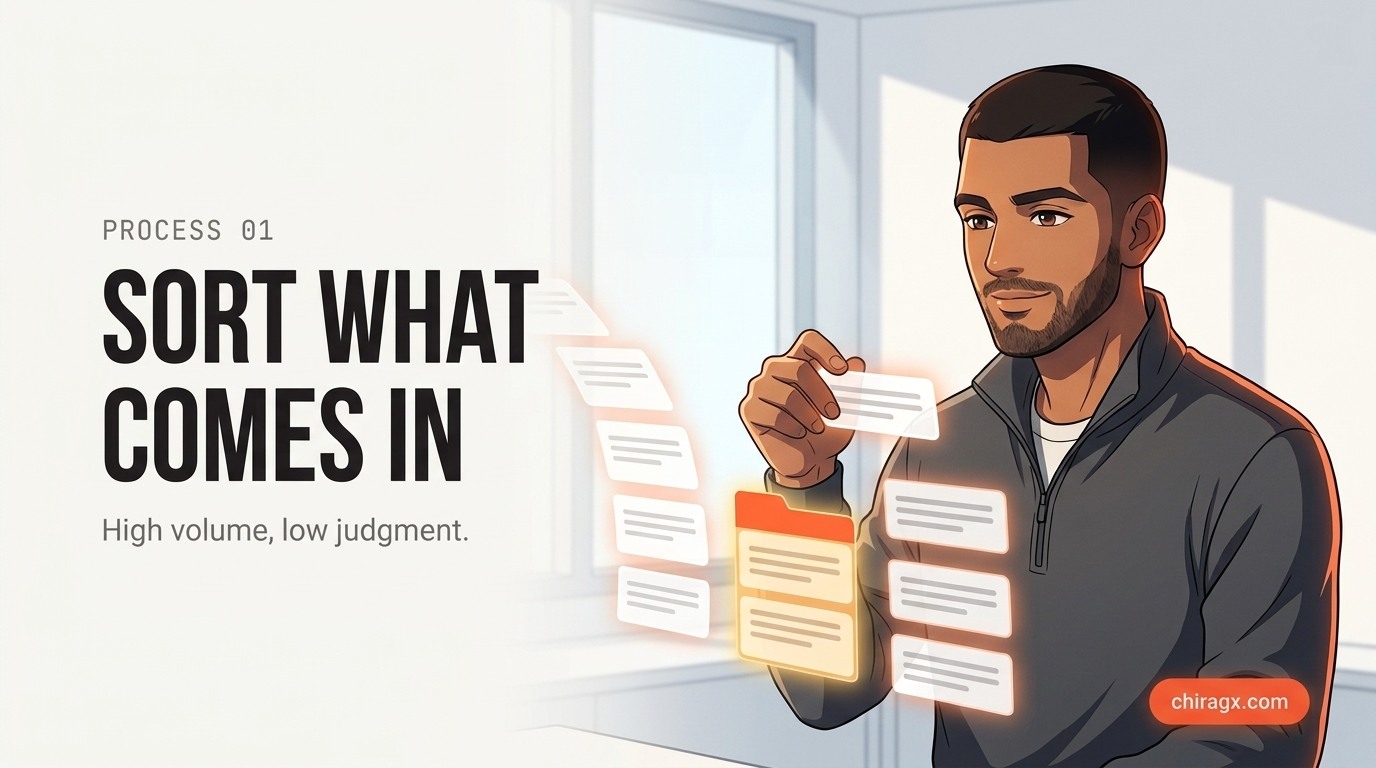
Emails, requests, forms, WhatsApp messages, tickets. In most companies there is a person who opens each one, decides what it is about, and passes it to whoever handles it.
That work is high in volume, low in judgment and extremely high in hidden cost. Not because the person is slow, but because every interruption breaks their focus on the work that actually matters.
This is where AI is excellent: it reads what comes in, understands what it is about, and sends it to the right place with a label and a priority. Without inventing anything, without replying on its own.
How to know if it applies to you: if someone in your company spends more than an hour a day deciding whose job something is, it applies.
2. Getting the data out of documents
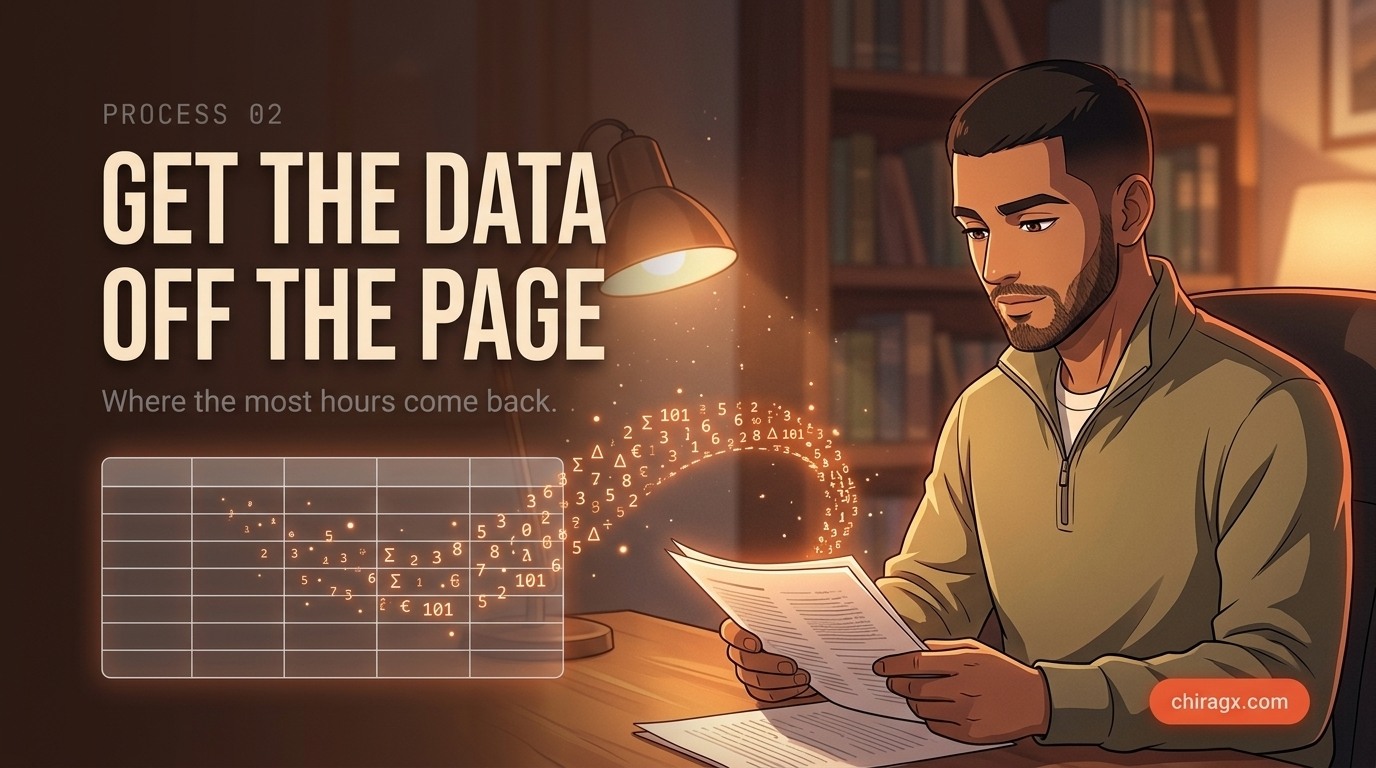
Invoices, contracts, purchase orders, scanned forms, bank statements. Information that already exists but lives trapped in a PDF, and someone has to copy it into a system by hand.
Of every process on this list, this is where I have seen the most hours recovered, by a wide margin. It is also where most human errors happen, because transcribing numbers is exactly the kind of task a brain drifts away from.
Today's AI reads a document and extracts the fields with an accuracy that did not exist a few years ago. And the important part: it can flag when it is unsure, so a human reviews only those cases instead of all of them.
How to know if it applies to you: if someone transcribes from paper or PDF into a spreadsheet or system, it applies.
3. The follow-up that gets lost to forgetfulness

This is the one that leaves the most money on the table, and almost nobody sees it as automation.
Quotes sent that nobody touched again. Clients who said "let's talk next month" and were never written to. Overdue payments. Renewals that passed without a word. None of those sales were lost because the client said no. They were lost because nobody remembered.
A system that knows what is pending, how long it has been sitting still, and puts it in front of you at the right moment pays for itself with the first sale it rescues.
How to know if it applies to you: if you cannot tell me right now how many quotes have gone unanswered for more than two weeks, it applies.
4. First drafts, never the final version
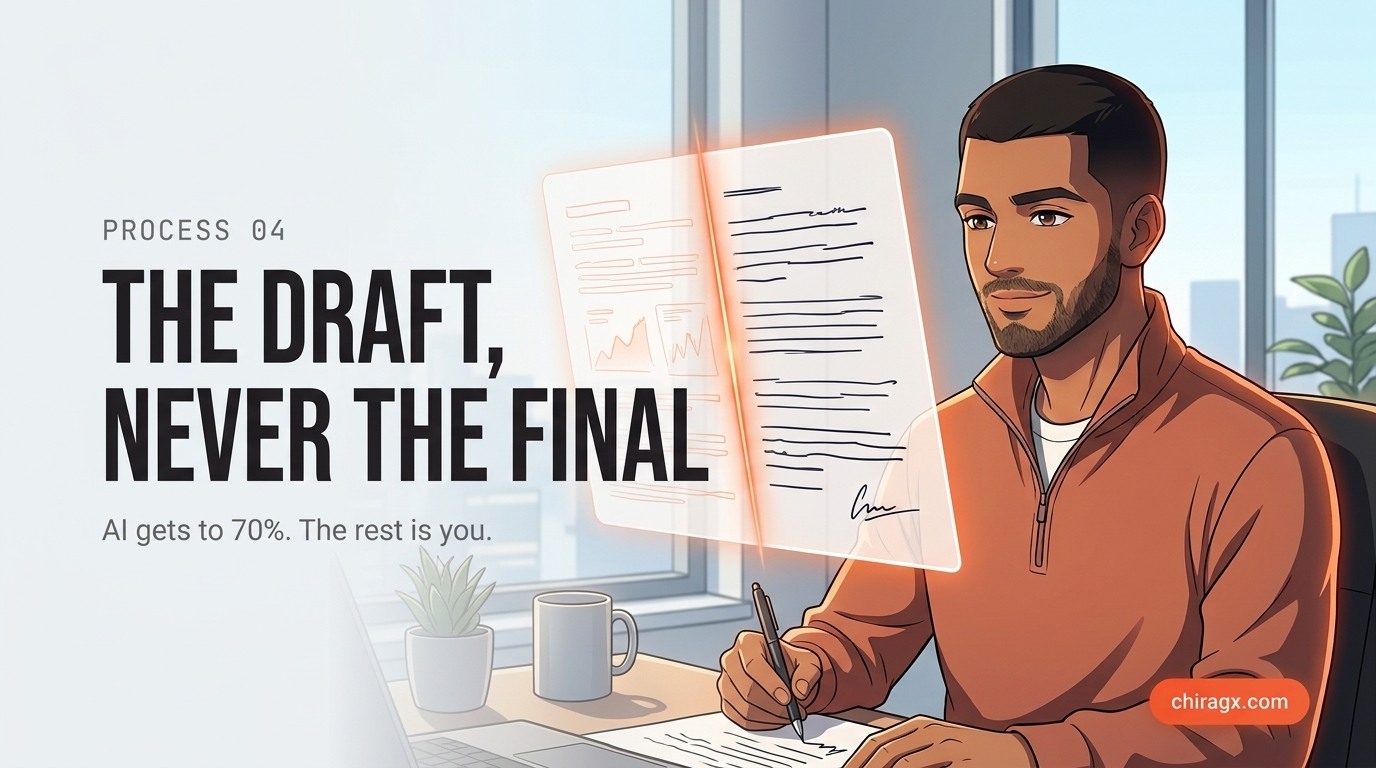
Proposals, reports, answers to questions you have been asked a hundred times, meeting summaries. AI is very good at taking something from zero to seventy percent.
The expensive mistake is thinking it can also take it from seventy to one hundred. That last stretch is where your judgment lives, your context on the client, and your way of saying things. That is what you get hired for.
Done right, this replaces nobody. It takes the most boring part away from your team and leaves them the part where they are valuable. I have seen it turn a three hour proposal into a forty minute one, with no drop in quality.
How to know if it applies to you: if your people start documents from a blank page, it applies.
5. Assembling the information you need to decide
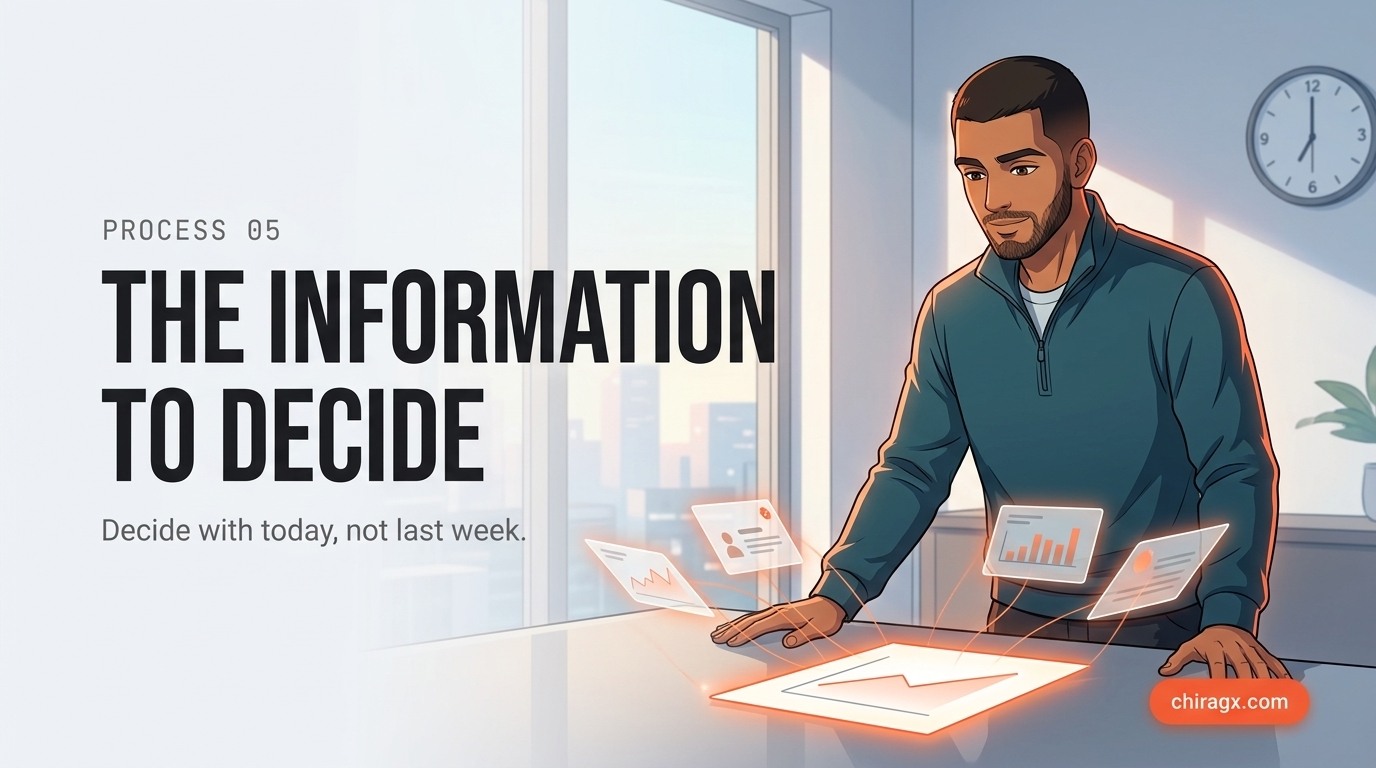
This is the one with the biggest impact on the head of the company, and the most invisible.
In almost every company there is someone who, every Monday, pulls data from three or four different places to build the report the week's decisions are made on. That work eats hours and, worse, it means the decision gets made with information that is days old.
When that gets automated you do not gain a prettier report. You gain deciding with today's reality instead of last week's. I have written it before and I stand by it: the bottleneck is almost never the technology, it is an important decision waiting on information that arrives late.
How to know if it applies to you: if your most important report is assembled by a person by hand, it applies.
And now the three you should not touch
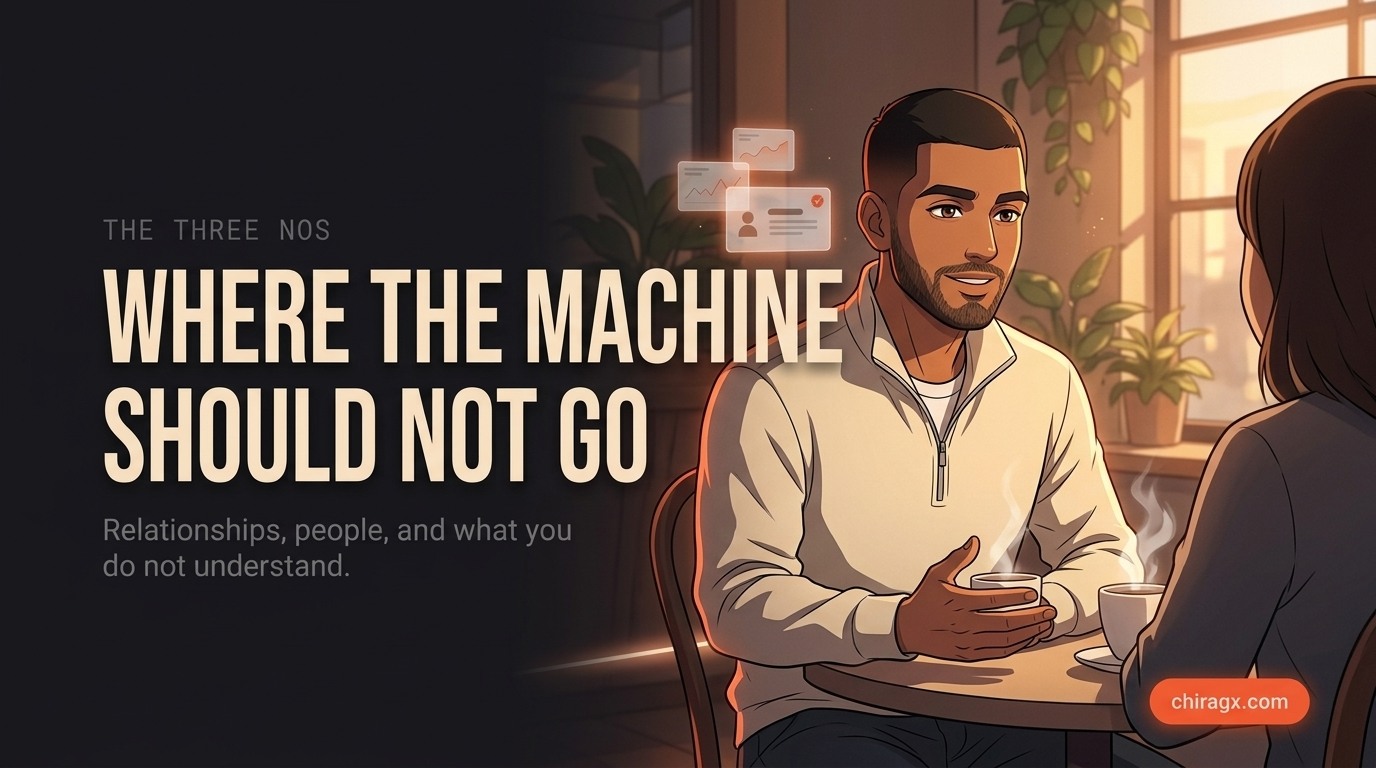
Almost nobody writes this part, because nobody benefits from telling you where not to buy. But it is the part that will save you the most.
- It repeats many times
- It has a clear correct answer
- Errors are easy to spot
- Nobody is offended if a machine does it
- A relationship is at stake
- The right answer depends on context
- Errors are costly and surface late
- You do not understand the process yet
Do not automate: the conversation when something went wrong
An unhappy client does not want efficiency. They want to feel there is someone on the other side who understands you messed up and cares.
I have seen companies put a bot in charge of complaints and lose accounts they had held for years. Not because the bot answered badly, but because it answered fast and correctly to someone who needed something else.
Automate the acknowledgment that the complaint was received. Not the conversation.
Do not automate: the final decision about a person
Filtering hundreds of resumes by concrete requirements, yes. Deciding who you hire, promote or let go, no.
For two reasons. The first is risk: these systems carry the biases of the data they learned from, and in decisions about people that has real legal and human consequences.
The second is simpler. If your judgment about people can be made by a machine, then it was not judgment. And if it was, why are you delegating it?
Do not automate: what you do not understand yet
This is the most common one and the most expensive.
Automating a messy process does not tidy it. It makes it fail faster and in more places at once. And because it now lives inside a system, fixing it costs three times what it did when the mess was manual.
If nobody in your company can explain the full process to you in five minutes, that process is not ready to be automated. First you understand, then you simplify, and only at the end do you automate. In that order, always.
Where to start on Monday
You do not need budget or a six month project to know where you stand. You need one page and one hour.
Write down the tasks your team repeats every week. Next to each one, two columns: how many times a month it happens, and whether it has a clear correct answer. Whatever scores high and clear is your first candidate. The rest can wait.
You will notice something uncomfortable while filling it in: for several tasks you will not know how often they happen. That is already information. It means there is a process nobody is measuring, and it is probably exactly where your time is going.
Start with one. The most repetitive and the most boring. Make it work, let people trust it, and then move to the next. Companies that try to automate five things at once finish none.
What you are actually buying
When this is done well, what you buy is not technology. It is that your people stop spending their week on what a machine does better, and spend it on what only they can do.
And that, as it happens, is the same thing that makes them stay.
That judgment, looking at your operation and deciding what to automate and what to leave alone, is exactly what I have been preparing to teach in person, in a small hands-on group. If you want to be among the first to know when it opens, leave your details here (the workshop will be held in Spanish). And if you would rather we look at it directly on your operation, let's talk.

This is where I can help
Want to talk about your project?
Book an advisory call →Get every article in your inbox
AI and business analysis, no hype. Only when I publish something worth your time.